President Doug Person opened the meeting by clanging the resurfaced Rotary bell. He then asked Mike Heffernen to lead us in the Pledge of Allegiance.
Thought of the day:
Next up was the invocation from Jennifer Pence who shared her thoughts on her husband Adam’s recent pilgrimage along the Camino de Santigo. She showed an image of a sign in one of the many churches that dot the route. The message applied to the diversity within the Rotary Club of Burlingame & Hillsborough as well as the organization worldwide. If your members are Hindu, Jewish, Catholic, and Protestant; and your scholarship winners are Turkish, Mexican, Irish, Brazilian, Chinese, Salvadorean, and Ukrainian; and you support international projects in India and the BHS exchange program in Italy, then your Rotary Club makes our local community part of something much larger and truly embodies global friendship.
Announcements:
Past president Bob Doerr informed us that Dr. Shapiro, a recent speaker at our Club, would be doing his full presentation at the Burlingame Public Library on Saturday, September 20.
Chamber of Commerce CEO Susan Baker announced a number of upcoming Chamber events. Besides supporting our local community, these are opportunities to introduce Rotary to the attendees.
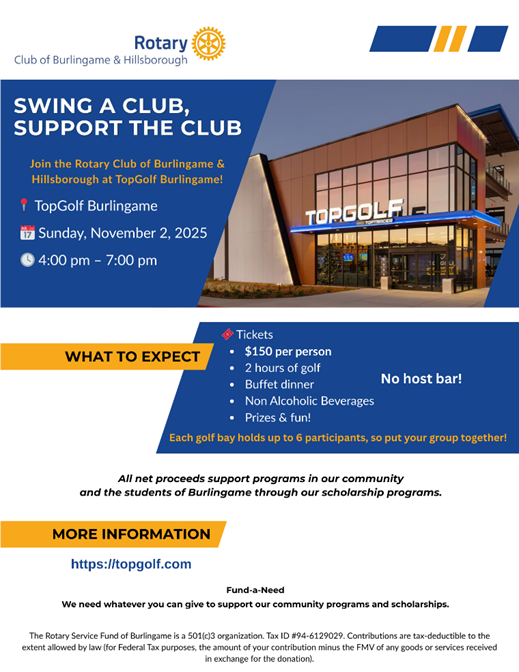
JenniferPence discussed the need to contribute raffle items, with a deadline set for October 15th for donating. Every Rotarian should bring a bottle of wine valued at $50 or more. Gift cards are also a perfect donation.
Student Guest
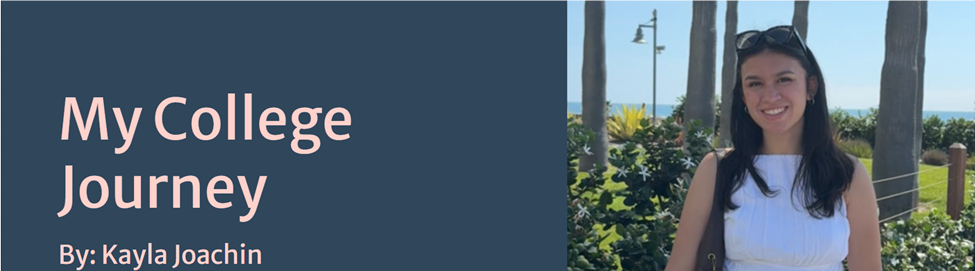
Kayla Joachin, a fourth-year psychology and Human Development major at UC Davis, shared her college journey as a first-generation student. She discussed how she overcame challenges in applying to college with support from the BHS academic advisor and a Rotary Club scholarship, which helped convince her parents to let her attend. Kayla described her current campus involvement, including being an academic mentor for the Regency Scholars Program and a programming coordinator for the mental health initiative, as well as her upcoming research internship at the Collaborative Start Lab. She also shared her future plans to pursue a master's degree in school psychology and marriage family therapy, inspired by her internships at a summer camp supporting children with ADHD, autism, and anxiety.
Program:
Reverend Paul Watermulder introduced speaker, Rotarian Michael Brownrigg, who is the Vice Mayor of Burlingame and a former three-term mayor. The introduction highlighted Michael's background, including his 20-year career with the State Department, particularly in the Arab world and Asia, as well as his experience in international finance and venture capital. The introduction set up a discussion about wealth inequality and how to address the gap between haves and have-nots in the community.
Michael presented a financial analysis focusing on challenges faced by hourly workers in the United States, highlighting a divergence between productivity growth and hourly wage increases since the 1980s. He discussed how wealth accumulation through homeownership has become increasingly difficult for many Americans, with statistics showing 49% of Americans aged 55-65 having zero retirement savings and 63% living paycheck to paycheck. The presentation concluded by introducing a case study of Leland Presley, a 53-year-old baker in Alabama who has managed to save $190,000 despite earning $20 an hour, as an example of how some workers are building wealth despite systemic challenges.
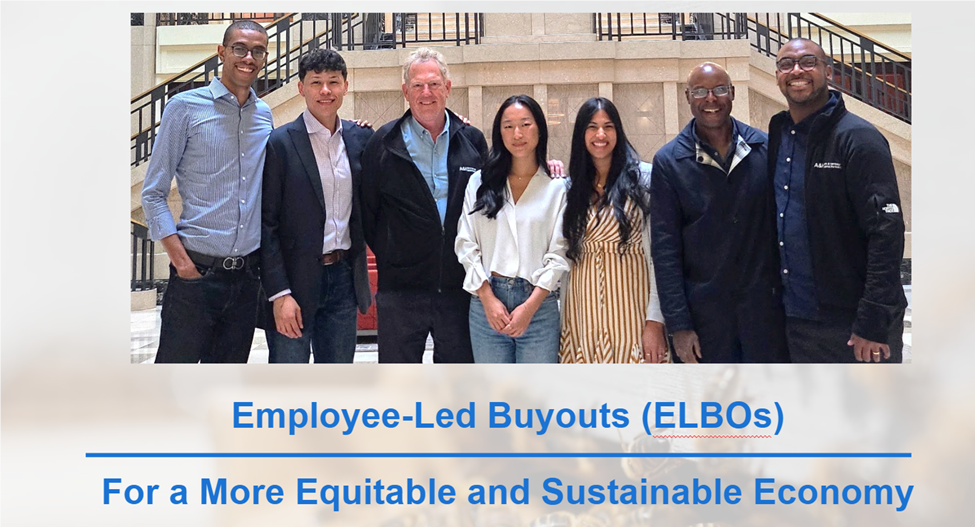
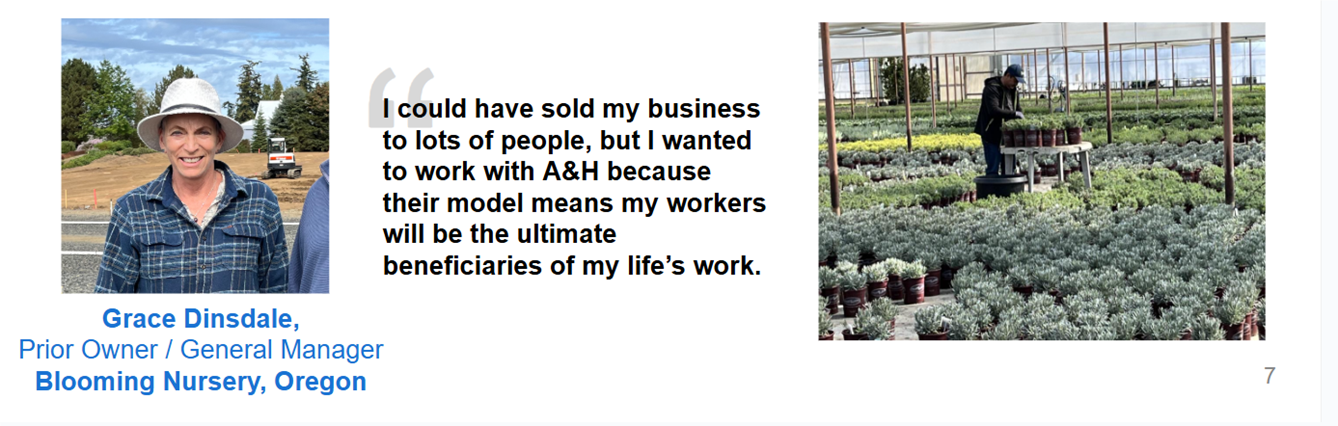
Michael discussed A&H's mission to facilitate employee-owned business transitions by providing financing and support, making it competitive with private equity sales. He explained that despite tax advantages and bipartisan support, there are only about 6,000 employee-owned businesses in the US, with roughly 200 created annually. He shared examples of successful transitions, including Grace Dinsdale's commercial nursery in Oregon, and highlighted the benefits of employee ownership including increased productivity, profitability, and community roots. He noted that A&H's first fund has transferred $65 million in enterprise value to worker owners, with 86% of the workforce being low to moderate income and 75% being workers of color.
Michael shared testimonials from Recology employees about how employee ownership impacted their lives, including helping single parents save for college and providing financial stability. The discussion covered how the company creates an ownership culture through training and highlighted a specific example of employee innovation in tree planting operations. Questions were addressed about debt management, with Michael explaining their model as a private credit fund rather than private equity, offering market rate returns while ensuring fair pricing and sustainable debt levels.
Housing and Lifestyle in the Bay Area After COVID-19: Lessons and Signals Ahead
Rotarian Nimisha Melag will explore how the pandemic reshaped Bay Area lifestyles and housing choices — tracing key events, surprising market shifts, and what these trends could mean for today’s homeowners and future buyers.